
Your Garage Door Could Hurt Someone — Here’s How to Know if It’s Safe
Testing your garage door safety features at home is one of the simplest things you can do to protect your family — and it takes less than ten minutes.
Here’s a quick overview of the five core safety checks every homeowner should do:
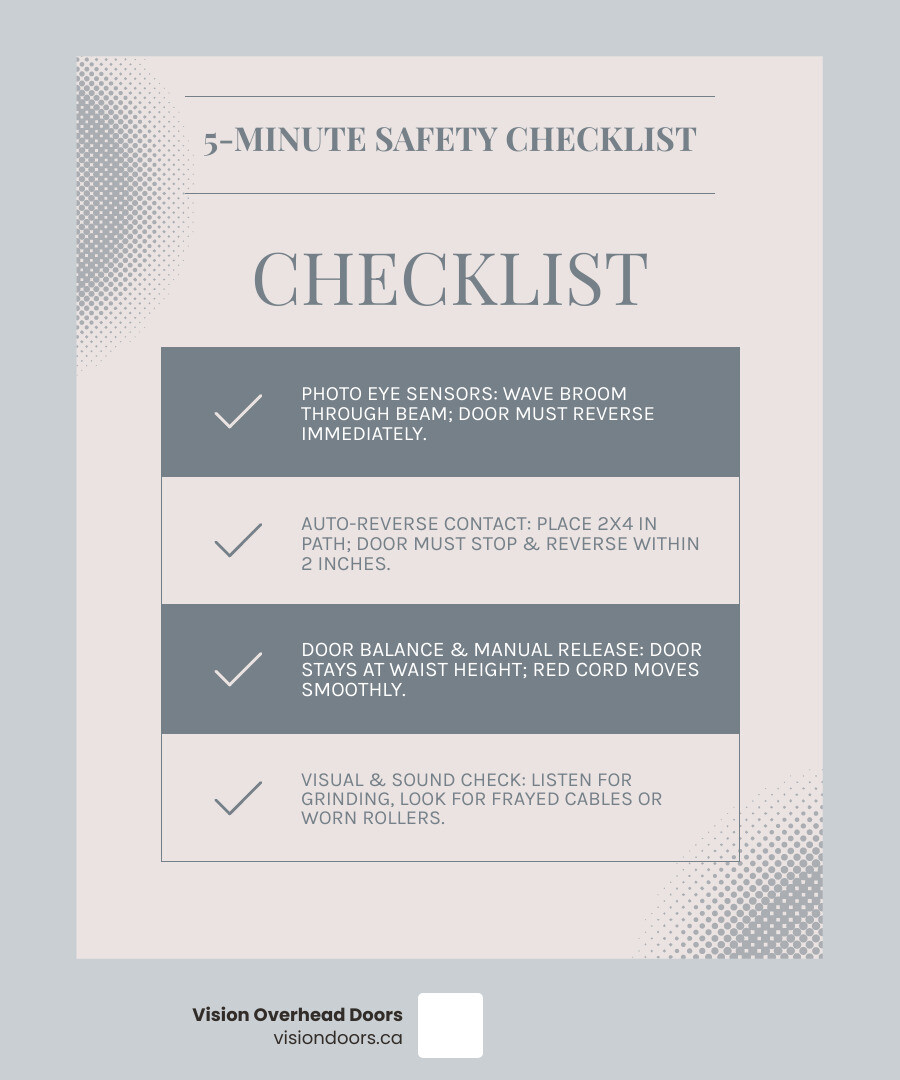
- Photo eye sensor test — Wave a broom through the sensor beam while the door closes. It should reverse immediately.
- Auto-reverse contact test — Place a 2×4 flat on the ground in the door’s path. The door must stop and reverse within 2 inches of contact.
- Door balance test — Disconnect the opener, lift the door to waist height, and let go. It should stay in place.
- Manual release test — Pull the red cord and open the door by hand. It should move smoothly with no heavy resistance.
- Visual and sound inspection — Watch and listen for grinding, fraying cables, worn rollers, or anything that looks off.
If any of these checks fail, stop using the door and call a professional.
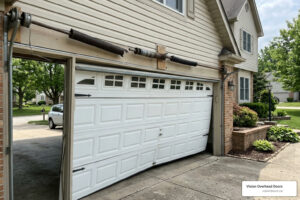
Your garage door weighs anywhere from 150 to 400 pounds — making it one of the heaviest moving objects in your home. Since 1993, U.S. and Canadian safety standards have required auto-reverse systems on all new garage doors, yet many homeowners go years without ever verifying these features still work. A sensor that’s slightly off today could fail completely tomorrow — with far worse consequences than a dented bumper.
I’m Daryl Rands, owner of Vision Overhead Doors, and after 26 years serving the Okanagan Valley I’ve seen how often a simple routine of testing your garage door safety features at home catches problems before they become emergencies. Let’s walk through exactly how to do it right.
Why Testing Your Garage Door Safety Features at Home is Essential
It is easy to treat your garage door like any other appliance—something that just works until it doesn’t. However, unlike a toaster or a dishwasher, a malfunctioning garage door poses a legitimate physical risk. Because these doors can weigh up to 400 pounds, they rely on immense mechanical tension to operate. When safety features fail, that weight becomes a falling hazard.
Regularly testing your garage door safety features at home prevents injuries to children and pets who might dart under a closing door. It also saves your vehicle from “garage door crunch,” a common and expensive accident. Beyond physical safety, proactive checks help you identify Five Signs You Need Garage Door Repair before a small squeak turns into a snapped cable.
In the industry, we often highlight April as Garage Door Safety Month, but in the Okanagan Valley, the change of seasons is the real trigger. Our shifting temperatures from Vernon down to Kelowna can cause metal tracks to contract or expand, potentially misaligning the very sensors designed to keep you safe. Staying on top of these tests also ensures you remain in compliance with manufacturer warranties, which often require documented annual maintenance.
The Importance of Testing Your Garage Door Safety Features at Home Monthly
While a deep dive should happen annually, a quick monthly “pulse check” is the gold standard for home safety. Think of it as a 5-minute investment in your home’s security. A monthly schedule allows you to catch the effects of “mechanical stress”—the natural wear and tear that occurs every time the door cycles open and closed.
If you live in areas like Lake Country or Coldstream, where wind and dust can be factors, sensors can easily become obscured. A monthly check ensures that Garage Door Repair stays a planned event rather than an emergency call at 11:00 PM on a Sunday.
Step-by-Step Guide to Testing Photo Eye Sensors
Modern Garage Door Openers are equipped with photoelectric sensors, often called “photo eyes.” These are located about six inches above the garage floor on either side of the door track. They work by sending an invisible infrared beam across the opening. If that beam is broken while the door is closing, the motor should instantly stop and reverse the door.
The Broomstick Test:
- Open your garage door fully.
- Press the wall button or remote to begin closing the door.
- While the door is in motion, wave a long-handled object (like a broomstick) through the path of the sensors near the floor.
- The door should immediately stop and head back to the fully open position.
Most sensors have small LED lights on them. A solid green or amber light usually means they are powered and aligned. If you see a blinking light, it’s a red flag that the “eyes” can’t see each other.
Troubleshooting Sensor Alignment and Cleanliness
If your door refuses to close or reverses for no apparent reason, the sensors are the first place to look. In our experience servicing homes from Salmon Arm to Kelowna, the most common culprit is simply dirt.
- Clean the Lenses: Use a soft, dry cloth to wipe away dust, spider webs, or salt spray.
- Check Alignment: If a sensor was bumped by a garbage can or a bicycle, it might be pointing slightly away from its partner. Gently wiggle the bracket until the LED indicator stops blinking and remains solid.
- Listen for the Click: Some openers make a distinct clicking sound or flash the overhead light when the beam is interrupted.
- Sunlight Interference: In the bright Okanagan sun, direct light hitting the lens can “blind” the sensor. If this happens, you may need to construct a small cardboard sunshade for the sensor.
If cleaning and aligning don’t fix the issue, you may be dealing with a wiring fault that requires Garage Door Opener Repair.
How to Perform the Auto-Reverse Force Sensitivity Test
The photo eyes handle objects before contact, but the auto-reverse force sensitivity handles objects the door actually touches. This is a mechanical safety backup required by federal law since 1993. If the door encounters physical resistance, the motor should detect the “load” and reverse.
If your door doesn’t reverse upon contact, it can exert up to 200 pounds of force, which is enough to cause severe damage. This test ensures the motor’s force settings are correctly calibrated. If they are set too high, the door won’t “feel” an obstruction. If they are too low, the door might reverse just from the weight of a bit of snow or wind.
Using the 2×4 Method for Testing Your Garage Door Safety Features at Home
This is the industry-standard test for mechanical reversal.
- Place a solid object, such as a 2×4 piece of wood or a thick roll of paper towels, flat on the ground directly in the center of the door’s path.
- Step back and press the button to close the door.
- When the door strikes the object, it must stop and reverse within two seconds.
If the door hits the wood and keeps trying to push down, or if it stops but doesn’t reverse, your safety system is failing. This is a critical situation that often requires Emergency Garage Door Services. Do not attempt to “force” the settings yourself, as improper calibration can lead to the motor burning out or the door becoming a safety hazard.
Checking Door Balance and Manual Release Functions
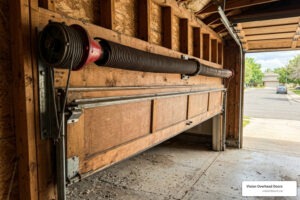
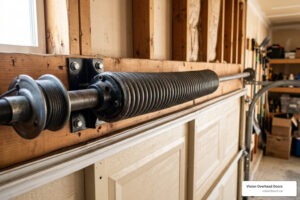
A common mistake is assuming the garage door opener does all the heavy lifting. In reality, the springs do the work; the opener just directs the movement. If the springs are worn out, the door becomes “unbalanced,” putting massive strain on the motor.
| Feature | Balanced Door | Unbalanced Door |
|---|---|---|
| Manual Lift | Easy to lift with one hand. | Feels heavy; requires significant effort. |
| Halfway Point | Stays in place when released. | Slams shut or shoots upward. |
| Opener Sound | Smooth, consistent hum. | Strained, grinding, or struggling noise. |
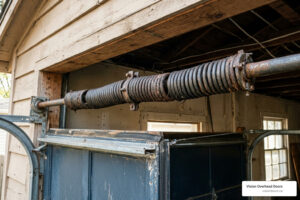
| Spring Condition | Tight coils, no visible gaps. | Gaps in coils or visible rust/fraying. |
How to test the balance:
- Close the door completely.
- Pull the red manual release cord (the emergency release).
- Lift the door manually to about waist height.
- Carefully let go. A properly balanced door should stay put or move only an inch or two.
If the door crashes down, your springs have lost their tension. If it flies up, they are wound too tight. Because springs hold enough energy to be lethal, Garage Door Spring Repair must always be handled by a professional.
Visual and Sound Inspection: What to Look and Listen For
Sometimes your eyes and ears are the best tools for testing your garage door safety features at home. Stand inside your garage and operate the door, paying close attention to the following:
- Listen for “The Big Three”: Grinding (usually means metal-on-metal friction), Squealing (needs lubrication), and Popping (often a sign of a failing spring or a roller jumping in the track).
- Inspect the Cables: Look at the high-tension cables on the sides of the door. If you see any fraying or “bird-nesting” (loose strands), stop using the door immediately.
- Check the Rollers: Are the rollers spinning freely, or are they wobbly and cracked? Worn rollers can cause the door to bind and trigger a false auto-reverse.
- Tighten the Hardware: Over time, the vibrations of the door can loosen the bolts on the hinges and brackets. Use a wrench to ensure everything is snug, but don’t over-tighten.
- Lubrication: If the door sounds “clunky,” apply a dedicated garage door lubricant to the rollers, hinges, and springs. Avoid using thick grease or WD-40, which can actually attract dust and gunk up the tracks.
Catching these issues early is one of the primary Five Signs You Need Garage Door Repair that we recommend homeowners watch for monthly.
When to Call a Professional for Garage Door Repair in Kelowna
While we encourage every homeowner from Armstrong to Penticton to perform these basic tests, there is a clear line between “DIY maintenance” and “dangerous repair.”
You should never attempt to adjust or replace the following yourself:
- Torsion Springs: These are under extreme tension (up to 200 pounds of force) and can cause severe injury if they snap during a DIY attempt.
- Lift Cables: These are attached to the bottom brackets and are under the same tension as the springs.
- Bottom Brackets: Never loosen the bolts on the bottom brackets of your door.
- Track Realignment: If the track is bent or the door has come “off-track,” attempting to force it back can cause the entire door to fall.
If your door fails the balance test or the auto-reverse test, it’s time to call in the experts. At Vision Overhead Doors, we provide specialized Garage Door Spring Repair and Emergency Garage Door Services across the Okanagan Valley. Our technicians have the specialized tools and training to handle high-tension components safely and quickly.
Frequently Asked Questions about Garage Door Safety
How often should I test my garage door sensors?
We recommend testing your garage door safety features at home at least once a month. It only takes a minute to wave a broomstick through the beam, and it ensures that the most common safety failure point is functioning correctly.
What should I do if my door doesn’t reverse upon contact?
If your door fails the 2×4 test, first check that the opener’s “down force” hasn’t been accidentally turned up to the maximum. However, this is usually a sign of a failing logic board or an aged motor. Disconnect the opener and operate the door manually until a professional can recalibrate the system.
Is it safe to adjust my own garage door springs?
No. This is the most dangerous DIY task in a home. Garage door springs account for thousands of emergency room visits every year. Always hire a certified technician for any work involving the spring system or the cables attached to them.
Conclusion
Your garage door is more than just a convenience; it’s a heavy piece of moving machinery that requires respect and regular attention. By testing your garage door safety features at home—from the photo eyes to the mechanical balance—you ensure your home remains a safe environment for your family and pets.
Whether you are in Vernon, Kelowna, or anywhere else in the Okanagan, Vision Overhead Doors is here to help when the DIY tests reveal a problem. We pride ourselves on premium craftsmanship and local expertise, offering same-day service to keep your home secure.
Don’t wait for a “loud bang” in the garage to take action. Schedule your professional garage door service in Vernon and Kelowna today and let us ensure your door is operating with the precision and safety you deserve.