
Your Garage Door Can Last 30 Years — Here’s What Makes the Difference
If you’re wondering how to extend the life of your garage door, the short answer is: regular maintenance. Here’s a quick overview of what that looks like in practice:
Quick Answer: How to Extend the Life of Your Garage Door
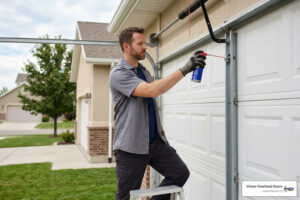
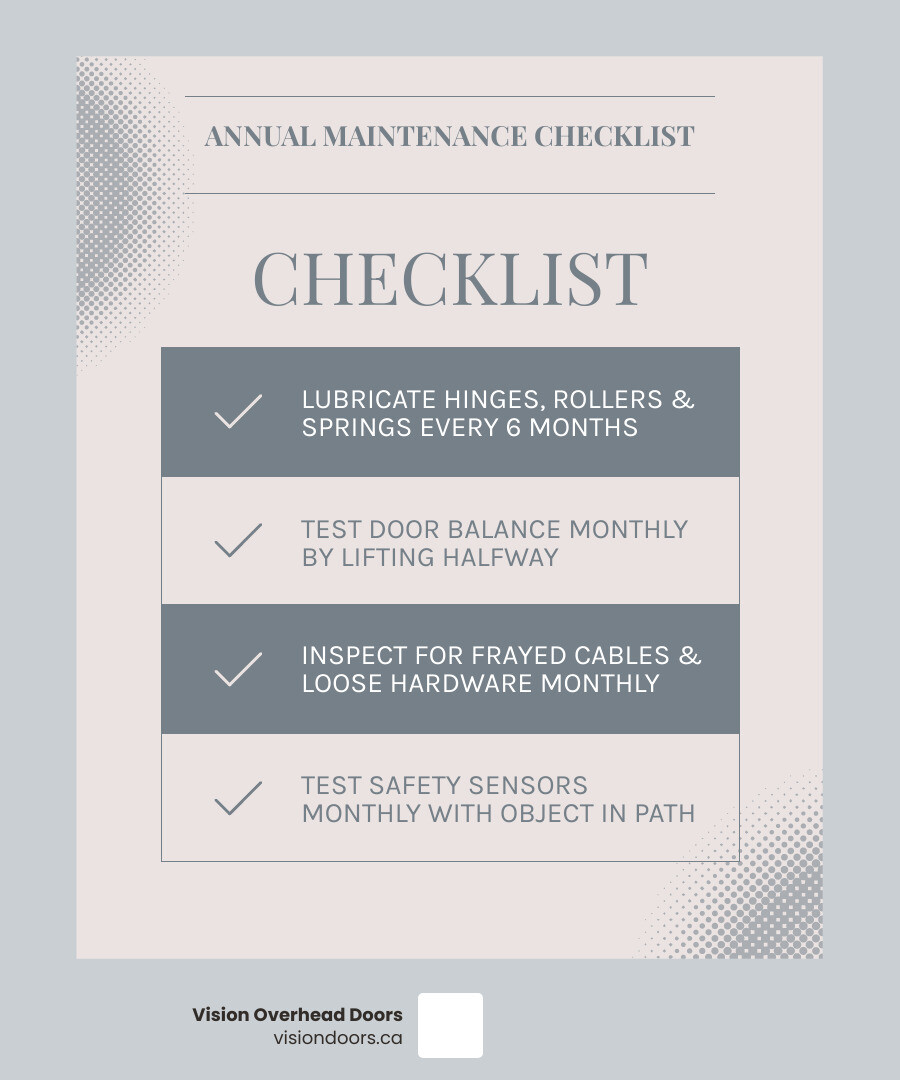
- Lubricate moving parts (hinges, rollers, springs) every six months with a silicone-based or lithium-based spray
- Test door balance monthly by disconnecting the opener and lifting the door halfway — it should stay in place
- Inspect components monthly for frayed cables, worn rollers, and loose hardware
- Clean tracks and panels regularly with a damp cloth and mild detergent
- Check and replace weatherstripping annually to protect against drafts and temperature swings
- Test safety sensors monthly by placing an object in the door’s path
- Schedule a professional tune-up at least once a year
A well-maintained garage door can last anywhere from 15 to 30 years. Without regular care, that same door might not make it halfway there. Consider this: your garage door opens and closes roughly 1,500 times a year on average, and most doors are rated for 10,000 to 20,000 total cycles. Every one of those cycles puts stress on springs, cables, rollers, and hardware. Studies suggest that 68% of garage door failures could have been avoided with yearly service — meaning most breakdowns aren’t bad luck, they’re missed maintenance.
Your garage door is also the largest moving part of your home and, for many families, the most-used entry point. Yet it tends to be ignored until something goes wrong. A little preventive care goes a long way — and it doesn’t have to be complicated.
I’m Daryl Rands, owner of Vision Overhead Doors and a Red Seal Carpenter with 26 years of experience in the garage door industry serving the Okanagan Valley — and one of the biggest myths I work to bust is that how to extend the life of your garage door comes down to anything other than consistent, simple preventive care. In the sections ahead, I’ll walk you through exactly what that looks like, from quick monthly checks you can do yourself to the repairs best left to a professional.
Understanding the Lifespan of Your Garage Door System
When we talk about the longevity of a garage door, we aren’t just looking at one piece of metal or wood. We’re looking at a complex mechanical system where every part relies on the others. In May 2026, as we look at modern home standards, the average lifespan of a well-maintained door remains between 15 and 30 years. However, several variables dictate whether your door hits that 30-year milestone or fails prematurely.
Material choice is a primary factor. Steel doors are incredibly popular because they offer a balance of durability and low maintenance, typically lasting 15 to 20 years, though high-quality insulated triple-layer steel can last much longer due to its rigid structure. Solid wood doors can last 20 to 30 years, provided they are regularly stained or painted to ward off the Okanagan’s environmental moisture.
Usage frequency also plays a massive role. If your family uses the garage door as the main entry point, cycling it six times a day, you are putting significantly more wear on the system than a household that only opens it twice a day. Since most systems are rated for a specific number of “cycles” (one opening and one closing), heavy users will reach the end of their component life much faster. To stay ahead of these issues, it helps to know the Five Signs You Need Garage Door Repair before a minor squeak turns into a total system failure.
Factors Influencing Component Longevity
While the door panels themselves might look great, the “muscles” of the system—the springs and cables—have a much shorter shelf life. Standard torsion springs are typically rated for 10,000 cycles. For a family using the door 1,500 times a year, those springs will likely last about 7 to 10 years.
Cables also have a lifespan of roughly 7 to 10 years, often succumbing to fraying or rust caused by humidity and salt. Even your garage door opener and its photo-eye sensors generally require replacement after 10 to 15 years as electronic components degrade and technology advances. Because these parts are under extreme tension, understanding Garage Door Spring Repair is essential for every homeowner to ensure they don’t ignore the warning signs of a “tired” spring.
Essential DIY Maintenance: How to Extend the Life of Your Garage Door
You don’t need to be a mechanic to perform the most critical maintenance tasks. In fact, many of the steps involved in how to extend the life of your garage door are about observation and simple adjustments.
Start with a hardware inspection. Because garage doors vibrate as they move, the nuts and bolts that hold the hinges and tracks in place can loosen over time. Take a socket wrench and gently tighten any loose hardware you find. While you’re at it, look at the tracks. They should be free of debris and perfectly aligned. If the tracks are slightly bent or misaligned, it forces the rollers to work harder, which puts extra strain on the motor.
By keeping the hardware tight and the tracks clear, you reduce the overall vibration of the system. This “quieting” effect is one of the best ways to Keep Your Family Safe with These Garage Door Tips, as a quiet door is usually a healthy, well-aligned door.
Monthly Visual Inspections and Cleaning
We recommend a quick 15-minute walkthrough once a month. Stand inside your garage with the door closed and look for:
- Gaps or Dents: Check the panels for any signs of structural damage or rust.
- Frayed Cables: Look at the bottom brackets where the cables attach. If you see “hairs” sticking out of the steel cable, it’s a sign of fraying.
- Track Debris: Dust, dirt, and even spider webs can build up in the tracks, causing the rollers to jump or grind.
Cleaning is equally important. Wash your garage door panels with a mild detergent and a soft brush—think of it like washing your car. This removes corrosive salt and dirt that can eat through the finish. For the tracks, use a damp cloth to wipe out the interior. Never use heavy grease in the tracks; it actually attracts dirt and creates a “sticky” paste that makes the door harder to move.
How to Extend the Life of Your Garage Door with Proper Lubrication
Lubrication is the single most effective DIY task you can perform. We suggest doing this every six months—ideally in the spring and fall. The goal is to reduce friction, which is the primary enemy of mechanical longevity.
Use a high-quality silicone-based spray or white lithium grease. Avoid WD-40 for lubrication; it is a solvent, not a long-term lubricant, and it can actually strip away existing grease. Focus your spray on:
- Hinges: Apply a small amount to the pivot points.
- Rollers: Lubricate the bearings inside the rollers (unless you have nylon rollers, which often don’t require it).
- Springs: A light coat on the springs prevents “binding” and keeps them quiet.
- Bearing Plates: These are located at either end of the spring bar.
For more detailed steps, check out our Garage Door Spring Repair Guide to see how proper lubrication prevents the dreaded spring snap.
Testing Safety Features and Door Balance
Safety and longevity go hand in hand. A door that is “fighting” its own safety settings is a door that is wearing out its motor. Modern doors are equipped with two primary safety features: the auto-reverse mechanism and photo-eye sensors.
To test the auto-reverse, place a 2×4 piece of wood or a sturdy cardboard box on the floor in the center of the door’s path. When the door hits the object, it should immediately reverse. To test the photo-eyes, start the door closing and wave a broom handle in front of the sensors (located about six inches off the ground). The door should stop and reverse instantly. If these features fail, it’s often a simple matter of The Magic of Auto Reverse and Photo Eye Sensors—usually just a quick cleaning or realigning of the lenses.
| Feature | Torsion Spring System | Extension Spring System |
|---|---|---|
| Location | Mounted above the door opening | Mounted along the horizontal tracks |
| Maintenance | Monthly lubrication; pro adjustment | Monthly lubrication; check safety cables |
| Lifespan | 10,000 – 20,000 cycles | ~10,000 cycles |
| Safety | High tension; very dangerous | High tension; requires safety cables |
How to Extend the Life of Your Garage Door Through Balance Testing
A balanced door is a light door. When the spring tension is correct, the springs do 95% of the heavy lifting, leaving the opener to simply “guide” the door. If the door is out of balance, the opener has to work twice as hard, which can lead to a burned-out motor in just a few years.
To test the balance:
- Close the door and pull the red emergency release cord to disconnect the opener.
- Manually lift the door about halfway up and let go.
- The Result: The door should stay in place or move only slightly. If it crashes to the floor or bolts upward, the springs are out of balance.
Learning How to Test Your Garage Door Without Breaking It is a vital skill for any homeowner wanting to avoid the cost of a new opener.
Weatherproofing and Environmental Protection
In the Okanagan Valley, we deal with everything from scorching summer heat to freezing winter nights. This temperature swing can cause materials to expand and contract, which wears out your door. Weatherstripping acts as a barrier, not just for your energy bill, but for the door’s components.
Check the rubber seal at the bottom of the door and the “stop molding” around the sides. If you see cracks, light peeking through, or feel a draft, it’s time for a replacement. Good weatherstripping can change the temperature inside your garage by 20 degrees or more, preventing metal parts from becoming brittle in the cold or overheating in the summer. It also keeps out moisture, which is the leading cause of rust on cables and tracks. Ensure your door meets the Top Safety Requirements for BC Garage Doors by keeping the elements where they belong: outside.
When to Call a Professional for Service
While DIY tasks are great for day-to-day care, some parts of the garage door system are simply too dangerous for the average homeowner. The springs and cables are under enough tension to cause serious injury if they snap or are released incorrectly.
We recommend a professional tune-up at least once a year. A technician can spot “hidden” issues like a hairline crack in a hinge, a slightly frayed cable inside the drum, or a bearing that is starting to seize. Given that 68% of failures are preventable, an annual visit is the ultimate answer to how to extend the life of your garage door.
If you hear a loud bang (likely a broken spring), see the door sagging on one side, or notice the opener light flashing erratically, it’s time to stop using the door and call us. There are many reasons Why You Should Leave Garage Door Springs to the Pros, with safety being at the top of the list.
Frequently Asked Questions about Garage Door Longevity
What is the average lifespan of a garage door in 2026?
In 2026, a well-maintained garage door typically lasts between 15 and 30 years. The specific duration depends on the material (steel, wood, or aluminum), the quality of the initial installation, and how frequently the door is cycled.
How often should I lubricate my garage door components?
You should lubricate all moving parts—including hinges, rollers, and springs—at least every six months. If you live in a particularly dusty or salty environment, quarterly lubrication is even better to prevent debris buildup.
What are the signs that my garage door springs need replacement?
The most common signs include a loud “bang” from the garage, the door feeling extremely heavy when lifted manually, visible gaps in the spring coils, or the door only opening a few inches before the opener stops.
Conclusion
At Vision Overhead Doors, we’ve spent decades helping homeowners across the Okanagan Valley—from Salmon Arm and Vernon to Kelowna and Lake Country—keep their homes safe and functional. We know that your garage door is a major investment, and we are committed to helping you protect it.
Whether you need a quick safety inspection, a complex spring replacement, or a brand-new installation, our team offers same-day service and local expertise you can trust. Don’t wait for a total breakdown to think about your door’s health. If you’ve noticed a new noise or your door feels a bit heavy, reach out to us for expert Garage Door Repair. We’re here to ensure your door stays on track for another 30 years.